



Municipal composting acceptance is the question that catches a lot of foodservice buyers off guard.
Municipal composting means your city or county collects food scraps and compostable packaging, then sends everything to a facility that turns it into finished compost.
Not every city offers the service, though. Even where it exists, they might not take everything. The local facility decides which specific products it will take.
Your customer may not know that yet, so you need the answer before they ask.
Composting Access Is Limited in Most of the Country
Most of the country has no facility that can take compostable packaging. That is the fact to set expectations with first.
Only about 200 facilities nationwide process food waste at full scale. Current food waste infrastructure in the U.S. still handles just a small share of the waste the U.S. generates each year. Some states have no full-scale facility at all.
Also, not all 200 accept compostable packaging. About 7 in 10 do. The rest take food scraps only, so a buyer’s compostable straws, bowls, plates, and cutlery can be certified compostable and still get turned away.
Household access follows the same pattern. BioCycle’s national survey counted 14.9 million U.S. households with curbside or drop-off collection, out of roughly 131 million households nationwide. That is about 1 in 9. Access is still growing, but from a small base.
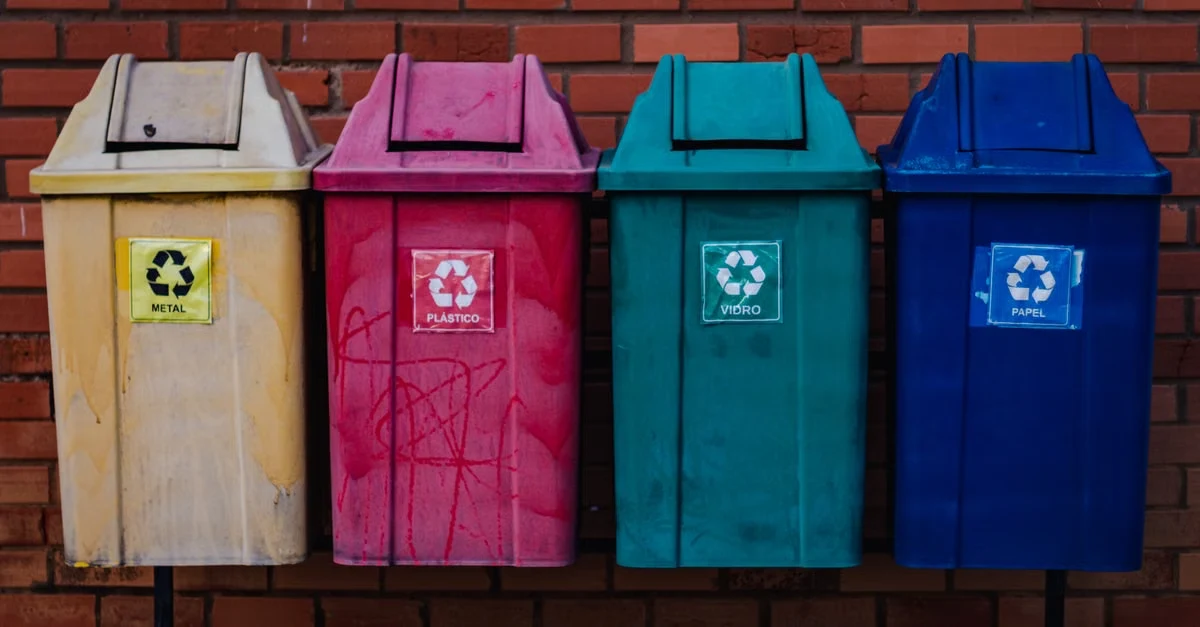
How Compostable Packaging Acceptance Varies Across the Country
State organics laws and the supply of nearby processing facilities create most of the regional differences shown below:
Oregon composters have asked programs to stay food-only. | ||
Massachusetts is the only early-ban state with measurable landfill reduction, at 13.2%. | ||
Athens-Clarke County, Georgia accepts source-separated food waste and certified compostables, supporting UGA's zero-waste stadium program. |
The Certifications Composting Facilities Look For
Facilities do not judge a product by the word compostable printed on the box. They check for specific certifications instead.
Four certifications come up most often in North America:
- BPI: Tests products in a lab against the ASTM D6400 and D6868 standards, which measure whether a material fully breaks down under commercial composting conditions. Products must also contain no intentionally added PFAS to qualify.
- CMA Approved: Tests products inside working compost facilities. Allowed timeframes run from 90 days for windrow, meaning long outdoor rows turned by machine, down to 46 days for covered in-vessel systems. Products need BPI certification or ASTM results before CMA will field test them.
- TÜV Austria: Covers commercial facilities through OK compost INDUSTRIAL, and backyard systems through OK compost HOME.
- USDA Biobased: Confirms what percentage of a product comes from plants or other renewable sources. However, the label doesn’t mention whether the product will compost.
At NantBioRenewables, we hold all 4 of these certifications across our compostable foodservice packaging (certifications vary by product).
Which ones apply depends on the item, since we certify straws at the product level while tableware and cutlery are certified at the material level. That is why it is worth checking the documentation for the exact product you plan to quote.
Email [email protected] to request a sample. The certification documentation for that product comes with it.
What Facilities Check Before They Accept a Product
Certification only gets a product considered for composting.
Composters then weigh the following practical details, starting with what the item is made from:
- Material type: Many composters accept fiber and paper while refusing compostable plastics. For example, Ann Arbor accepts CMA-W certified fiber only and turns away compostable plastic liners, even those that carry valid certification.
- Identifiability: Composting site workers sort compost by hand or eye, often on a moving conveyor belt. A compostable item that looks like ordinary plastic gets pulled out and thrown away, even if it is certified.
- Disintegration timeframe: Every facility runs on its own schedule. A product certified to break down in 12 weeks can fail at a facility that only holds material for 8 weeks.
- Size and thickness: Some facilities set a minimum size or thickness for what they will accept. Thin items like straws are harder for a facility to track and confirm as fully broken down, so it may reject them even if the material itself is certified compostable.
- Approved lists: A certification is not always enough on its own. Some facilities keep their own list of specific brands and products they will accept. They only take items that are on that list.
State labeling law adds another layer. Colorado and California both regulate how the word ‘compostable’ can appear on a product.
So in addition to having a load rejected by the facility, mislabeling can bring penalties for the distributor as well as the manufacturer.
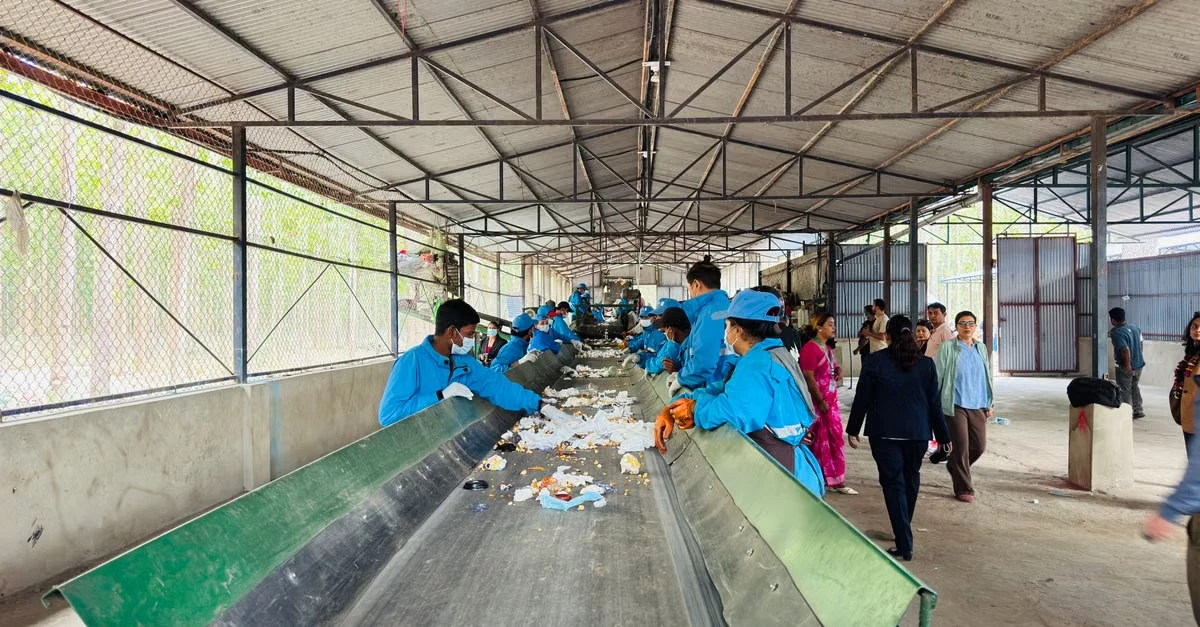
Why a Certified Product Can Still Be Turned Away
A certified compostable product can still be turned away because a facility cannot easily tell it apart from regular plastic once it arrives mixed in with other waste.
Compostable straws look like ordinary plastic straws to a worker sorting a load by hand, and regular plastic never breaks down. To avoid letting plastic through by mistake, many facilities simply reject straws and similar items.
A1 Organics, the main commercial composter serving Colorado’s Front Range, made exactly this call. In April 2023, it stopped accepting all compostable packaging because compost contamination from mixed-in plastic had become unmanageable.
The cost behind that decision is another factor. Research from the Composting Consortium found that removing contamination takes 21% of a composter’s operating costs. Conventional plastic makes up roughly 85% of that contamination by volume.
Sorting through that mix costs more than it returns, so some facilities turn away certified compostable products altogether.
How to Verify Acceptance in Your Customer’s Area
Verification usually takes about a week. Most of that time goes to waiting for a callback from the composter, so start the process before your customer is ready to order.
Work through these 6 steps in order:
- Call the customer’s hauler and ask where the organics go: The hauler picks up the waste, but a separate composting facility decides what to accept. Ask the hauler to name that facility directly.
- Look up that facility on FindAComposter: The site lists composting facilities by location, so searching with your customer’s ZIP code shows which ones operate near them. Use it to confirm the hauler named a real facility and to get its contact details.
- Call the facility and ask three direct questions: Which certifications do you require? Do you accept compostable plastic, fiber only, or both? Is there a specific approved product list I need to check against?
- Check the exact product against two databases: Look up the product code in the BPI certified products database and the CMA approved products list. A general certification is not enough. The specific SKU needs to appear in these lists.
- Ask the facility to confirm acceptance by email: Ask them to name the exact products by brand and item code. This email is the proof your customer needs if a load ever gets rejected.
- Test the product at one location first: Ship to a single site for one full quarter before rolling it out to every location. Confirm the facility actually processed the loads without rejecting them before expanding further.
Apply the same discipline to compostable packaging supplier evaluation.

Why Compostable Packaging Works Better in Commercial Venues Than in Residential Curbside
Compostable packaging succeeds at commercial venues far more often than it does in residential curbside programs.
That’s because a commercial venue controls both the purchase and the sorting, while a residential program depends on thousands of individual households to sort correctly on their own.
- At a stadium, university dining hall, hospital, or corporate cafeteria, one operator buys the packaging and controls the bins. Sorting happens on site with trained staff, mostly in kitchens and dish rooms customers never see, so mistakes are caught before the load leaves the building.
Since the program started in 2017, Michigan Stadium has diverted more than 500 tons of game day waste from landfills through on-site recycling, composting, and food donation bins, reaching 70% to 80% diversion per game.
That works because the stadium controls what gets sold, which bins are available, and who sorts the waste before it leaves the building.UGA’s Sanford Stadium takes the same approach, requiring every foodservice item sold inside the venue to be BPI-certified compostable or recyclable.
- On residential curbside, thousands of households sort their own bins with no supervision. A single bag of conventional plastic mixed in by one household can contaminate an entire truckload, which is why municipal programs are far more cautious about what they accept.
What to Tell Customers Who Have No Local Composting
When a customer has no local composting, tell them the packaging still does 2 things for them.
- It keeps PFAS out of their supply chain.
- It also keeps them compliant with state packaging laws that apply whether or not anything gets composted.
Composting access is only one of the factors behind buyers choosing compostable packaging. The compliance benefits apply even in markets with no organics collection at all.
PFAS regulation does not wait for composting infrastructure.
Maine, New York, California, Washington, Vermont, Connecticut, Colorado, Maryland, Minnesota, Hawaii, Oregon, and Rhode Island have all banned intentionally added PFAS in food packaging.
Knowing which of those rules apply to your accounts is now normal distributor work, so keep a PFAS compliance tracker handy for the states you sell into.
PFAS-free matters wherever the product ends up. A straw headed to landfill should not carry ‘forever chemicals’ into the ground. For healthcare, school, and government accounts, PFAS documentation is frequently a procurement requirement, which makes it a selling point in its own right.
BPI supports the claim by requiring certified products to test below 100 ppm total organic fluorine.

Talking Points You Can Use With Customers
Compostable packaging always brings up the same few questions from customers. Here’s what to say to each one:
For longer answers to performance objections, use this objection handling script.
Resources Worth Sharing With Customers
Buyers trust a primary source more than a summary in a sales email. Forward these when a customer wants to verify something themselves:
- BPI-certified products database: Search by brand or item at products.bpiworld.org.
- CMA-approved products list: Browse field-tested products at compostmanufacturingalliance.com.
- FindAComposter: Locate the facility that receives organics in a given area by visiting fac.lukascoffey.com.
- Sustainability FAQ for distributor catalogs: Send customers this ready-made FAQ instead of writing new answers for every account.

Choose a Reliable Supplier With the Right Documentation
As a distributor or foodservice operator, confirming municipal composting acceptance is not your obligation. That decision belongs to your customer’s local facility.
But offering to check it anyway is a strong upsell and an extra, valued service to provide whenever you sell compostable foodservice packaging.
When it comes to finding a reliable supplier, most compostable packaging on the market right now comes from overseas, from countries like China and Vietnam.
That matters because when you or your customer need documentation or help selling compostable packaging to an end customer, you won’t easily find that kind of support from an overseas supplier.
A domestic supplier solves that problem. At NantBioRenewables, we manufacture compostable foodservice packaging at our own facility in Gadsden, Alabama.
We produce compostable straws, bowls, cutlery, plates, and trays made from Ocean Calcium Sand, a carbon-negative material. We can also supply products made with cellulose diacetate, polypropylene, and PLA, depending on your customer’s needs.
Because we manufacture locally, the time it takes to get the product to your door is shorter. We can also sign a supply agreement, so you do not have to stock the product yourself.
This lets you provide better value to your customers, including hospitals, stadiums, restaurants, and other foodservice accounts.
Email [email protected] to request a sample for your customer. The product includes certification documentation, and we will provide any other details you need.