


Home vs industrial compostable is the difference between foodware that breaks down in a backyard bin and foodware that only breaks down at 140°F in a commercial facility.
Both types carry the word “compostable” on the label, which is why the difference slips past so many orders.
When it gets missed, you are the one who hears about it. Your customer can end up with a labeling violation or a load that the composting facility turns away at the gate. Sorting it out is simple enough once you know what to ask.
What Makes a Product Home or Industrial Compostable?
The difference comes down to heat, time, and the microbes doing the work.
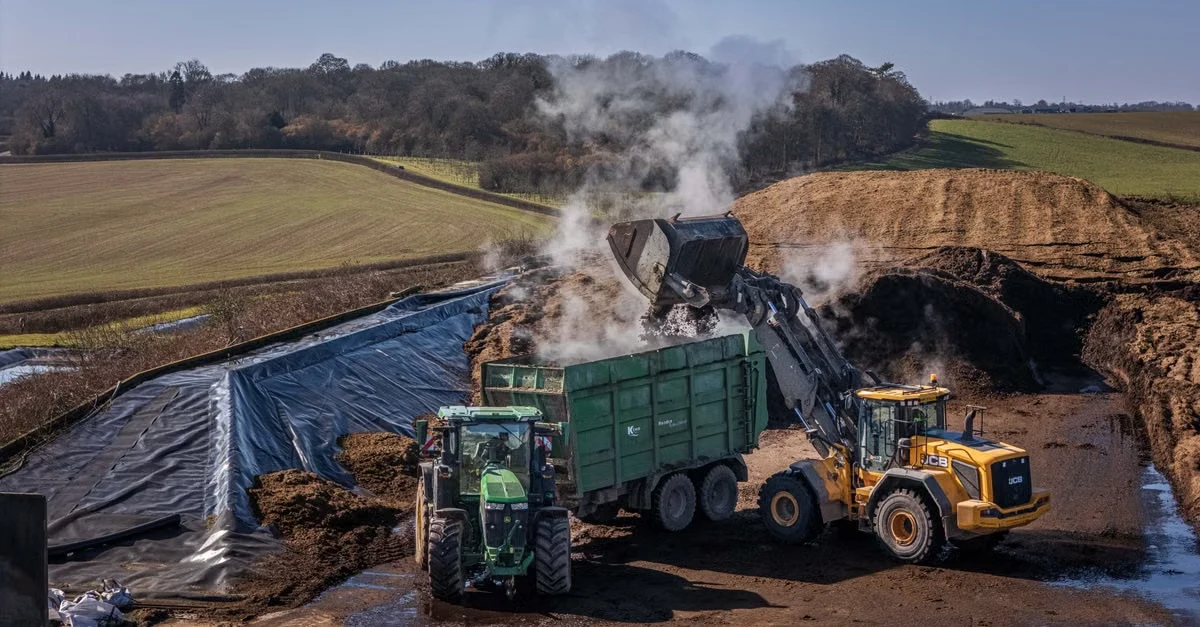
Industrial composting happens in hot conditions. Facilities hold their piles at 131 to 140°F (55 to 60°C) for weeks. They control moisture and oxygen, and they turn the piles on a schedule.
That heat breaks down even tougher materials like PLA, a plastic made from corn or sugarcane.
Home composting happens at backyard temperatures, usually 68 to 86°F (20 to 30°C). The process runs slower, and results vary from pile to pile.
A product certified for home composting also breaks down in a commercial facility. A product built only for industrial composting will not break down in a backyard bin, since a home pile never gets hot enough.
Home and Industrial Compostable Certification Standards
A handful of labels cover almost everything you will see on a spec sheet. Here is what each one tells you.
- ASTM D6400 (US): Covers compostable plastics. Under industrial heat, a product must break into pieces under 2mm within 12 weeks and biodegrade about 90% within 6 months.
- ASTM D6868 (US): Same idea, applied to paper products with a compostable plastic coating.
- EN 13432 (Europe): The European industrial standard, with similar time and temperature limits.
- OK Compost HOME (TÜV Austria): The recognized home standard. Products must reach about 90% breakdown within 12 months at backyard temperatures.
- BPI certification: The main North American certifier for the ASTM standards. BPI also bars intentionally added PFAS. In December 2025, it opened a home composting certification for this market.
- CMA certification: The Compost Manufacturing Alliance certifies to the same ASTM standards, then field tests products inside working facilities. It covers commercial composting only.
- USDA Certified Biobased: Measures how much of a product comes from plants. Says nothing about composting.
Here is how the standards compare side by side when you are checking a spec sheet against a customer’s disposal setup.
Which certification a product holds tells you where it goes at the end of its life. A product certified as industrial compostable belongs at a commercial composting facility. A product certified home compostable can go in a backyard or on-site bin.
A distributor’s line can include both kinds side by side, like NantBioRenewables’ straw range, where the Ocean Calcium straws are certified industrial compostable and the clear cellulose diacetate straws are certified home compostable.
So you match the straw to whichever disposal path your customer actually has.
Are Compostable Straws Accepted in Municipal Compost Programs?
Sometimes. Acceptance varies by facility, so check before you promise a customer anything.
Sorting lines move fast, and workers often cannot tell a compostable straw from a regular plastic one. Among facilities that refuse compostable packaging, 78% pointed to look-alike plastics as the reason, according to the same BioCycle survey.
Some composters have pulled back. A1 Organics, the largest composter serving Colorado’s Front Range, stopped taking compostable packaging in April 2023.
The facility now accepts food scraps, yard trimmings, and small certified compostable bags only.
Confirm the local facility or hauler accepts the product before you promise a customer it will be composted. FindAComposter is a fast way to check.
The Main Compostable Materials You Will See on a Spec Sheet
Certifications tell you the disposal path. The material underneath tells you how the product performs and which certification it can earn.
- Ocean Calcium Sand: A biogenic calcium carbonate mineral harvested from the sea rather than strip-mined, and the supply replenishes itself naturally. The mineral is carbon-negative and heat-stable. Products built on it are certified for both home and commercial composting.
- Cellulose diacetate: Made from wood pulp. It is the material behind home-compostable straws, so it breaks down in a backyard bin or a commercial facility. It degrades in marine environments too.
- PLA: Made from fermented corn or sugarcane starch. It looks and feels like clear plastic and needs a commercial facility to break down.
- Polypropylene: A conventional option rather than a compostable one. It covers the use cases that compostables do not suit, like hot food and microwaveable items, at a lower price point.
Few accounts go 100% compostable, since no single material fits every food type. Most distributors carry a mix, which is why matching the material to the use case matters as much as matching the certification to the disposal path.
How Many US Facilities Actually Accept Compostable Packaging
The composting facilities near your customer decide whether a compostable product gets composted at all.
Here is what the current numbers look like.
- The US has about 200 full-scale composting facilities that take food waste, per BioCycle’s 2023 survey with the Composting Consortium. This is the latest available data we have.
- Of those 200 facilities, 142 (71%) take some compostable foodware. The rest accept food and yard trimmings only.
- Nearly half sit in 7 states. California leads with 35.
- Only about 12% of U.S. households have access to municipally-supported composting, which can include curbside collection or drop-off locations. Access grew over the past few years, but from a low base.
Whether a facility says yes often comes down to the certification on the box. BPI verifies products through lab testing, while the Compost Manufacturing Alliance (CMA) field tests them inside working facilities. That difference decides acceptance at some sites.
NantBioRenewables products carry CMA certification alongside BPI, TÜV Austria, and USDA Biobased, so facilities that accept compostable foodware can take them with confidence, including CMA-only sites that would turn away a BPI-only alternative.
How to Match Home vs Industrial Compostable to Each Customer Type
Most foodservice accounts need industrial compostable. A few questions will tell you when home compostable fits better.
Ask these before you recommend:
- Can the customer reach a commercial composting facility or curbside organics pickup?
- What does their waste hauler’s contract accept?
- Who throws the product away, a venue that controls its own waste, or a person at home?
- Which state is the product sold and labeled in?
When to Recommend Industrial Compostable (Most Accounts)
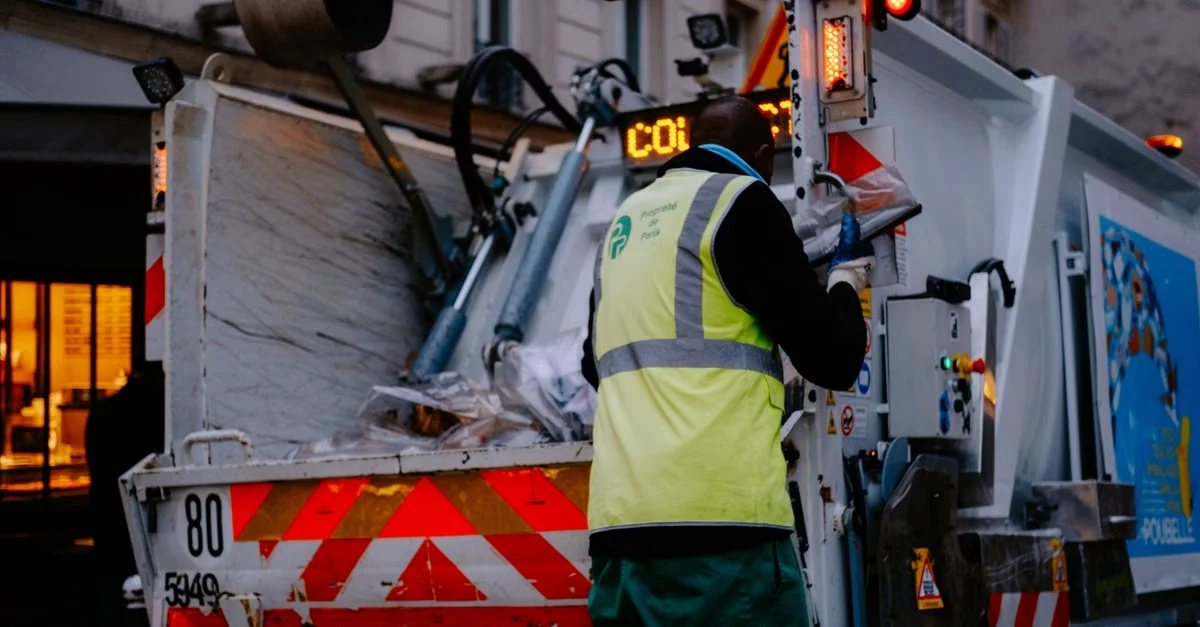
Industrial compostable is the default for foodservice and institutional buyers, because their waste leaves through commercial streams.
Strong fits include:
- Restaurants and hospitality: High volume and waste go out through a commercial hauler.
- Amusement parks and stadiums: Large crowds, plus on-site control of the waste stream.
- Schools, hospitals, and corporate cafeterias: Steady volume and centralized disposal.
Industrial compostable materials also cover the widest product range, from cutlery to coated paper items. They meet labeling laws in states that regulate compostable claims.
Closed-loop venues are the best fit. A university or stadium that runs its own compost collection controls where the product lands. Certified foodware gets composted as intended.
When Home Compostable Is Worth It (Niche Accounts)
Home compostable earns its place when the end user has no commercial facility nearby.
Good fits include:
- Direct-to-consumer brands and mail-order products
- Farmers’ market vendors and small farms
- Community gardens
- Items people toss at home, like tea bags or produce stickers
For those buyers, a home-compostable claim sets a brand apart with eco-minded shoppers. The claim also works in regions with little commercial composting.
The trade-off is cost and selection. Home-compostable products cost more and come in fewer materials.
That split is why NantBioRenewables makes straws in both categories. The clear cellulose diacetate straws are certified home compostable and break down in marine environments.
The Ocean Calcium (BioCal) straws are built for commercial facilities, and the Wave Ware™ line carries the same performance across straws and tableware.
The Ocean Calcium products start from a calcium sand mineral harvested from the sea instead of being strip-mined, and the supply replenishes itself naturally.
The mineral is carbon negative, and once composted at a commercial facility, it returns to nature without leaving plastic behind.
Not sure which certification an account needs? The NantBioRenewables team can match the right straw or foodware to a customer’s waste setup. We will send the paperwork that backs the claim.
Talk to a packaging specialist at [email protected].
California, Washington, and Colorado Compostable Labeling Laws
Several states regulate the wording on the label. The certification you pick decides what your customer can legally print.
California’s AB 1201 and SB 54 Requirements
California is the strictest, and its rules tie straight back to the certifications above.
Under AB 1201, a product can be labeled “compostable” in California only if it meets ASTM D6400 or D6868, or holds OK Compost HOME.
The state bans “biodegradable” and “degradable” on most products. The law also caps total organic fluorine at 100 ppm, which is a PFAS limit.
AB 1201 adds another hurdle. Compostable products must qualify as an allowable input under the USDA’s National Organic Program. CalRecycle pushed that deadline to June 30, 2027.
In January 2026, the USDA’s National Organic Standards Board voted against adding compostable plastics to its approved list, so the requirement is unsettled. Keep certification documents current if you sell into California.
You also face 2 separate penalty tracks. The labeling statute sets civil liability at $500 for a first violation, $1,000 for a second, and $2,000 after that. Separate unfair competition claims can reach $2,500 per violation.
California’s SB 54 also treats compostable foodware as covered packaging under its producer responsibility program. Certified compostable packaging can earn reduced fees, though it is not exempt.
Washington, Colorado, and Producer-Responsibility States
Several states beyond California regulate compostable labeling, often with color rules that change how a product looks.
- Washington: Compostable products must meet ASTM standards and carry a third-party certifier’s logo. They also need a green, beige, or brown color signal with the word “compostable.” Penalties can reach $1,000 per day after warnings from the Department of Ecology.
- Colorado: Products sold as compostable need certification to ASTM D6400 or D6868 from a recognized third-party verifier. Green coloring, symbols, or marks must make them easy to identify.
- 7 producer-responsibility states: California, Colorado, Maine, Maryland, Minnesota, Oregon, and Washington have packaging EPR laws. Compostable packaging counts as covered material, so a compostable label does not put your customer outside the fee system.
Compostable Packaging Costs and How to Answer Price Objections
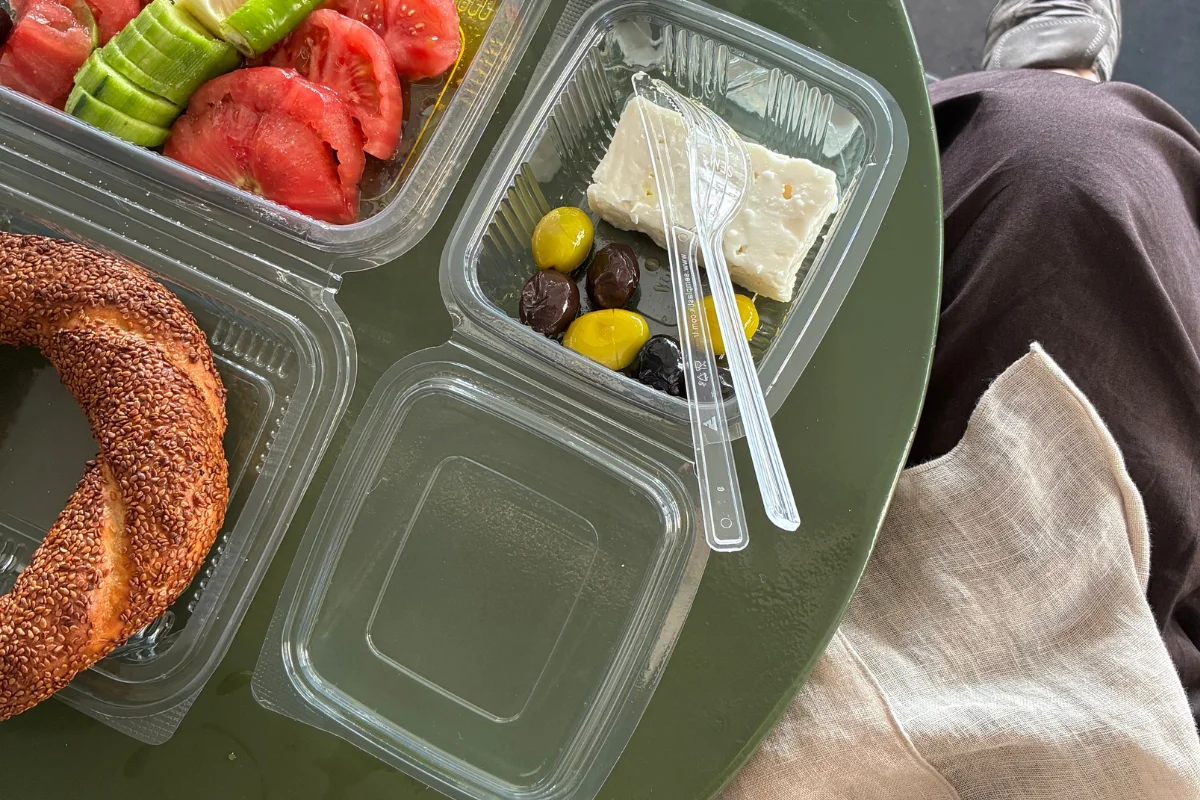
Compostable costs more than conventional plastic upfront, and home compostable usually costs more than industrial.
Compostable packaging runs roughly 10% to 40% above conventional plastic per unit. Home-compostable biopolymers like PHA sit at the higher end. They cost more to produce than the PLA used in most industrial compostable products.
Fiber-based options like bamboo can be cheaper, so home-compostable is not always the priciest choice.
A few costs run the other way:
- Paper straws cost more than they look: Drinkers often need 2 or 3 per drink as the straws go soggy. Real per-drink cost lands above a single compostable straw.
- Compliance savings add up: In states with foam bans or producer fees, compostable packaging can avoid penalties and earn reduced fees.
- Domestic supply protects shelf life: A compostable straw has a 12-month shelf life. A 12-week ocean crossing from an overseas plant burns about 23% of that before the first case is opened. NantBioRenewables products are made in the USA at its Gadsden, Alabama plant, which runs around the clock, and carry certified green status. Stock arrives fresher, and lead times run a few weeks instead of the 8 to 12 weeks common overseas.
Sales Scripts for Explaining Compostable Types to Customers
These talking points keep the conversation clear and handle common objections before they turn into complaints.
When a customer asks for “compostable” without specifics:
“Quick question, so I get you the right product. Do these locations have a commercial composting service, or are you counting on customers to compost at home? That tells me which type to send.”
When a customer assumes compostable breaks down anywhere:
“These break down in a commercial facility that hits the right temperature. In a landfill or a backyard bin, they mostly stay intact unless they are certified for home composting. I want to set that expectation now so your packaging claim holds up.”
When a customer sells in California:
“California ties the label to specific certifications. I will make sure whatever we send is certified and comes with the paperwork to prove it.”
Customer Misconceptions About Compostable Products
A few mix-ups cause most of the confusion, and clearing them early prevents complaints later.
- “Compostable breaks down anywhere.” Most compostable foodware needs the heat of a commercial facility. In a landfill or backyard bin, it can sit intact for a long time.
- “Compostable and biodegradable mean the same thing.” Biodegradable carries no set timeline or conditions. California bans the term on most products for that reason. Compostable products are tested against a standard.
- “Home and industrial are interchangeable.” Home-certified products work in both settings. Industrial-only products need facility heat.
- “Compostable items can go in the recycling bin.” Compostable plastics contaminate recycling streams. They belong in a separate bin.
Frequently Asked Questions (FAQs)
Short answers your team can reuse on calls, or drop into a distributor catalog’s sustainability FAQ.
Which Is Better for My Customers, Home or Industrial Compostable?
For most foodservice and institutional accounts, industrial compostable, because their waste goes to commercial facilities. Home compostable fits direct-to-consumer and niche accounts where people dispose of products at home.
What Is the Difference Between Home and Industrial Compostable for California Compliance?
California allows a “compostable” label only for products certified to ASTM D6400 or D6868, or to OK Compost HOME. Both home and industrial certifications can qualify.
What matters is holding valid certifications and keeping the documents current, especially with the June 2027 organic-input rule still pending.
Do All Composting Facilities Accept Compostable Foodware?
No. About 71% of US food-waste composters take some compostable foodware. Many still reject items they cannot tell apart from plastic. Check the local facility or hauler first.
Match the Right Product to Each Account With NantBioRenewables
Industrial compostable is the safe call for most foodservice and institutional accounts, because that is where their waste goes.
Home compostable earns its spot with direct-to-consumer brands and accounts whose customers throw products away at home. What decides it is always what happens to the product after someone tosses it.
Knowing that difference lets you recommend with confidence and keep labeling claims legal. You also avoid the returns that follow a product landing in the wrong bin.
NantBioRenewables straws and foodware carry BPI, CMA, TÜV Austria, and USDA Biobased certifications. The exact mix varies by product, so ask for the documentation on whichever SKU you are quoting.
To match the right product to your account or request a sample, reach the team at [email protected].