



When you start stocking compostable products, their shelf life is one detail you can’t afford to overlook. A pallet of conventional plastic straws can sit in your warehouse for years and still work fine. Compostable products run on a clock.
If you order too much or store it incorrectly, some of that stock will age past its best-by date before you sell it. If you order too little, you risk running short during your busiest weeks.
In this article, we’ll tell you how long these products actually last, what shortens that window, and how to plan your orders, storage, and stock rotation so very little goes to waste.
But let’s first understand why compostable products need a shelf-life plan in the first place!
Why Compostable Products Need a Shelf Life Plan (And Plastic Doesn’t)
Plastic lives in the environment for hundreds of years, which is the reason people are moving to sustainable options. Compostable materials are built to break down, so time and conditions matter for them in a way they never did for plastic.
A pallet of polypropylene straws has, for practical purposes, no expiration date. Keep it dry, and it performs the same a year later.
Compostable products work differently. Materials like Ocean Calcium Sand, cellulose diacetate, and PLA come from plant and mineral sources designed to return to the soil once composted.
That same quality gives them a defined shelf life, usually around 12 months for straws and similar items.
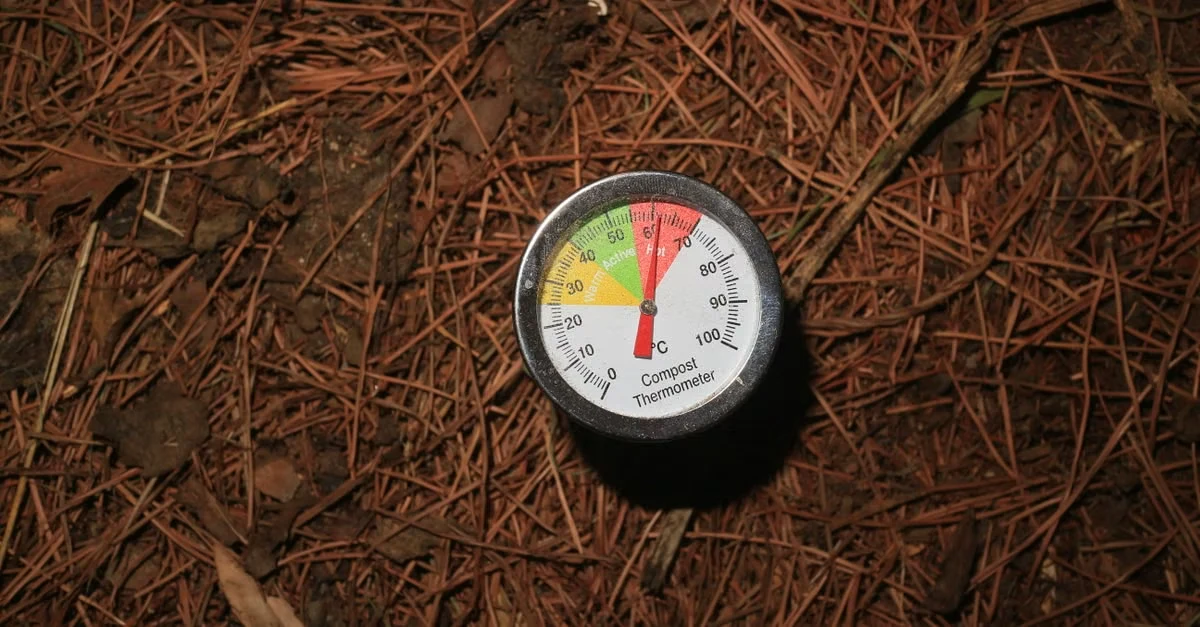
How Long Compostable Products Last, by Material
Shelf life depends heavily on what a product is made from, so here’s a rough guide by material.
A few things to keep in mind when you read a spec sheet:
- Most certified compostable serviceware lands in the 12 to 24 month range when stored properly. Straws made from Ocean Calcium Sand, cellulose diacetate, or PLA typically carry a 12-month shelf life.
- BioCal, a compostable material made by combining Ocean Calcium Sand with PLA and other polymers, is commercially compostable, meaning it breaks down at industrial facilities.
- Cellulose diacetate products are home compostable. Worth keeping straight when you match a product to a customer’s composting access.
- Conventional plastics like polypropylene carry no real shelf life limit, which is why some operators keep both compostable and conventional options on hand for different uses.
Every manufacturer sets its own numbers, so treat any single figure as a starting point and confirm it on the product’s own spec sheet.
What Shortens the Shelf Life of Compostable Products
A 12-month shelf life is a promise with a condition attached. You get the full 12 months if you store the product properly.
Four things in your warehouse can shorten that window.
- Temperature: Compostable products start to soften above roughly 95°F (35°C). A trailer in the summer sun or a warehouse with no climate control passes that easily. And heat is what makes stacked straws and packaging warp or fuse together. Keep stock in a cool, stable spot below 95°F, away from ovens, heaters, and sun-facing walls.
- Humidity: Damp air is the quickest way to end up with soft or warped stock. Compostable products soak up moisture fastest. The EPA recommends keeping indoor humidity under 60% to avoid mold and condensation. Ideally, between 30 percent and 50 percent (if possible) suits most compostable inventory.
- Light: Direct sunlight adds heat and fades printing and packaging over time. Keep pallets away from windows and skylights.
- Packaging and handling: Original packaging shields products from dust, moisture, and temperature swings. So keep items sealed until they ship, and reseal opened cases. Crushed cartons and heavy loads stacked on top will cut the usable life of whatever is inside.
Stored properly, a straw can use its full 12-month window. If you store badly, in a hot, humid corner near the loading dock, the same straw can turn brittle or misshapen months early.
The product itself doesn’t change; the conditions around it decide how long it stays sellable.
How to Read the Date Codes on Your Cases
Before you can rotate stock or spot aging inventory, you need to know what the codes on the box mean.
Compostable packaging usually carries one or two dates, though not every supplier prints them clearly.
- Manufacturing date: When the product was made. Your shelf life clock starts here. Don’t count from the day the box arrives.
- Best-by date: The manufacturer’s estimate of how long the product performs well. Past this point, quality can slip.
- Lot or batch code: A tracking number for the production run, sometimes written as a Julian date, where the digits are the day of the year (so 025 means the 25th day).
There’s no single federal standard forcing date labels onto foodservice packaging, so formats vary from one supplier to the next. Because of that, ask every supplier to print both a manufacturing date and a best-by date on each case.
If they won’t, apply your own received-date label the day stock arrives, written plainly as year-month-day, so your team can rotate it correctly.
Shelf Life Is Not the Same as Composting Time
Your compostable straws will not start composting on the shelf. Composting needs specific conditions, with high heat, moisture, and microbes working together over weeks. None of that happens in a dry warehouse.
A compostable straw is a compostable plastic that looks and feels like a regular plastic straw. It only breaks down once it reaches a commercial composting facility or a home compostable bin (if the product is home compostable certified).
So when you hear that a compostable straw “degrades” after a set time, that figure usually describes how it behaves in the environment after disposal.
A 2024 study measured how fast biodegradable straws break down in seawater and found it takes roughly 8 to 20 months, depending on the material. Those numbers describe the ocean.
What changes in storage is performance. Over many months, an aging straw can stiffen or lose its shape, and that shows up as breakage and customer complaints at the counter. Shelf life is the window during which the product still does its job well.
How to Order the Right Amount Without Wasting Stock
The goal is to hold enough stock to serve customers without keeping so much that some ages out before you sell it.
A simple rule keeps you out of trouble. Don’t hold more than about half of a product’s shelf life in forward stock. For a straw with a 12-month shelf life, that means capping any single order near 6 months of supply at the very most, and ordering more often in smaller batches.
Here’s a worked example.
Say you move about 240,000 compostable straws a year, or roughly 20,000 a month, and your straws carry a 12-month shelf life.
- Order 12 months at once (240,000 straws): The last cases won’t ship until they’re nearly a year old, right as quality starts to slip. Risky.
- Order two months at a time (about 40,000 straws): Stock stays fresh, you free up cash and storage space, and you keep a wide buffer before any best-by date. Much safer.
Holding less also saves money directly. Warehousing costs typically run 20 to 30% of an item’s value per year, and that climbs the longer the stock sits.
Bulk discounts on a big overseas order are often only 5 to 10%, which rarely covers the cost of storage plus the risk of aging out.
Now factor in transit. A compostable straw with a 12-month shelf life that spends 12 weeks crossing the ocean from an overseas factory has already used about 23% of its shelf life before you open the first case.
When you buy from a U.S. manufacturer with a 2 to 4 week lead time, almost all of that shelf life stays with you.
Want to keep more of that shelf life for yourself? NantBioRenewables is a U.S.-based manufacturer of high-performance foodservice packaging solutions.
We provide the made-in-USA advantage to businesses by manufacturing daily at our local facility. We can ship standard stock in two to four weeks, so you can order in smaller, fresher batches instead of committing to one large overseas order.
We can also hold safety stock for you under a supply agreement. Talk to a NantBioRenewables packaging specialist or request a sample at [email protected].
Rotating Stock and Setting Customer Expectations
Two habits protect you here: shipping the oldest stock first, and telling customers what they’re getting.
Most warehouses run FIFO, first in and first out, shipping whatever arrived earliest. For compostable stock, FEFO works better: first expired, first out, shipping whatever has the earliest best-by date.
The reason is that two pallets can land on your dock the same afternoon yet carry manufacturing dates months apart, depending on how long each sat before shipping.
FIFO by arrival date would send the newer pallet out first and leave the older one aging in the corner. FEFO ships by best-by date, so the oldest product always moves first.
You don’t need fancy software to do this. Color-coded labels by the quarter you received stock, a simple spreadsheet, or a warehouse system with lot tracking all work, as long as older cases sit in front and newer ones go behind them.
On the customer side, set expectations up front.
- Share lead times honestly. Standard stock ships in 2 to 4 weeks, custom-printed orders in 4 to 6 weeks, and overseas-sourced products in 8 to 12 weeks.
- Tell buyers the shelf life on what they’re ordering, and encourage them to rotate their own stock the same way.
- For large accounts, get a written volume commitment before you order, so you’re not stuck holding stock nobody pulls.
What to Do With Aging Inventory
Even good inventory management for compostable products won’t catch everything, so some stock will creep toward its best-by date. You have better options than the dumpster.
Catch it early. Flag stock at 90, 60, and 30 days before its best-by date so you can act while the product still performs.
Here are a few options, roughly in order of how much value you recover:
- Discount and move it: Run a short promotion or flash sale, or sell through a closeout buyer. Recovering 30 to 50% of the cost is much better than writing it off completely, especially when the products are still usable (just not in their best shape).
- Turn it into samples: Aging-but-usable straws make great free samples for prospects deciding whether to switch. You get sales conversations out of stock that would otherwise sit.
- Donate it: Local shelters, schools, and food programs often need disposable serviceware. The federal Bill Emerson Good Samaritan Food Donation Act protects good-faith donors of grocery products, including disposable items, from liability. A donation may also qualify for a tax deduction.
- Dispose of it properly, as a last resort: Many commercial composters screen out and landfill compostable serviceware, even certified products, because they can’t always tell it apart from regular plastic or process it in time. Unused stock that expires often ends up in a landfill anyway, which is one more reason to order carefully in the first place.
Seasonal Shelf Life Considerations
The season you’re storing in changes how much you should hold and how closely you watch it.
Summer is the tricky one. Cold-drink season drives your highest straw demand right when warehouses get hottest, and stock held above 95°F can soften or warp within weeks.
- During summer, order in shorter 30 to 60-day cycles instead of one big pre-season buy.
- Keep compostable stock in your coolest zone, away from dock doors and exterior walls.
- Check a sample case from each summer delivery for warping or stickiness.
Winter brings the opposite pressure. Indoor heating dries the air, which can leave some products brittle, and cold shipments moved into a warm warehouse can sweat with condensation.
Let cold deliveries sit sealed for a day before opening so they can adjust to room temperature.
If your warehouse isn’t climate-controlled, these swings matter even more, and smaller, more frequent orders are your simplest protection.
What to Ask for in a Vendor Shelf Life Guarantee
Before you commit to a bulk order, get the shelf life promises in writing and check that the product lives up to them.
Ask for these before you sign anything.
- Shelf life in writing: Get the stated shelf life and storage conditions on paper, ideally inside the supply agreement. A verbal “about a year” gives you nothing to fall back on.
- Date codes on every case: You want both a manufacturing date and a best-by date, printed clearly. Your team needs them to rotate and track stock.
- Proof of certification: Find out which certifications cover the exact SKU you’re buying. Compostable products often carry BPI, TÜV Austria, and USDA Biobased certifications. Certifications vary by product, though. You can check any claim yourself in BPI’s public database.
- Recent test data: Request lab reports from the past year. You want compostability results, plus PFAS results if you sell into healthcare, schools, or government. A PFAS-free certified product tests at or below 100 ppm total fluorine.
One thing certifications won’t tell you is shelf life. A BPI or TÜV mark confirms a product will compost correctly at the end of life; it says nothing about how long the product performs in storage.
Those are separate questions, so get separate answers for each.
A straightforward supplier will hand over shelf life documentation, current certifications, and PFAS or FDA paperwork on request.
NantBioRenewables provides full documentation this way, so you can verify what you’re stocking before it ships. Email [email protected] to request documentation or a sample.
Frequently Asked Questions (FAQs)
Below are a few common questions about the shelf life and storage of compostable products.
Does Shelf Life Restart if You Repack or Relabel a Case?
No. Your shelf life clock runs from the manufacturing date, no matter how many times the product changes boxes. Repacking into your own cartons doesn’t buy you extra months. So always carry the original date forward onto the new label.
Can You Store Compostable and Conventional Plastic Products Together?
Yes, as long as the space stays cool and dry. Your conventional plastic stock won’t mind those conditions, and it keeps everything in one zone. Just rotate the compostable SKUs separately, because only those are working against the clock.
What Should You Do if a Pallet Arrives Warped or Sticky?
Photograph it, quarantine the pallet, and contact your supplier right away. Heat damage in transit is a freight issue, so most (good) manufacturers will replace it. Never mix that stock into good inventory.
Is a Vinegar Smell in Your Straw Inventory a Problem?
Yes, and you should act fast. That sharp smell means cellulose diacetate is breaking down, and it can’t be reversed. Isolate the affected pallet so the vapors don’t reach nearby stock.
Keeping Shelf Life on Your Side
Managing shelf life comes down to holding less, storing it well, and buying from a source you can restock quickly. That last part is where domestic manufacturing pays off.
NantBioRenewables makes compostable and conventional foodservice packaging in Gadsden, Alabama, USA. We can run monthly production for you, so you’re never forced to over-order against a 12-month clock.
Our straws carry TÜV Austria, BPI, and USDA Biobased certification. Tableware and cutlery are certified at the material level. That’s why we have got several high-value contracts over the years from hotels, restaurants, airports, and institutional clients.
The material behind those straws is getting noticed, too. Our Ocean Calcium Sand Compostable Wave Ware™ Straw was shortlisted for the Sustainable Innovation Award at the World Sustainability Awards 2026, with the ceremony in Amsterdam this October.
Explore the right setup for your operation, or request a sample, at [email protected].