


Microplastics in the Human Body: Understanding the Risks, Side Effects, and How Bioplastics Can Mitigate Them
article by Dr. Andrey Tyuftin, Research & Development Chemist, NantBioRenewables LLC, Gadsden, AL, USA
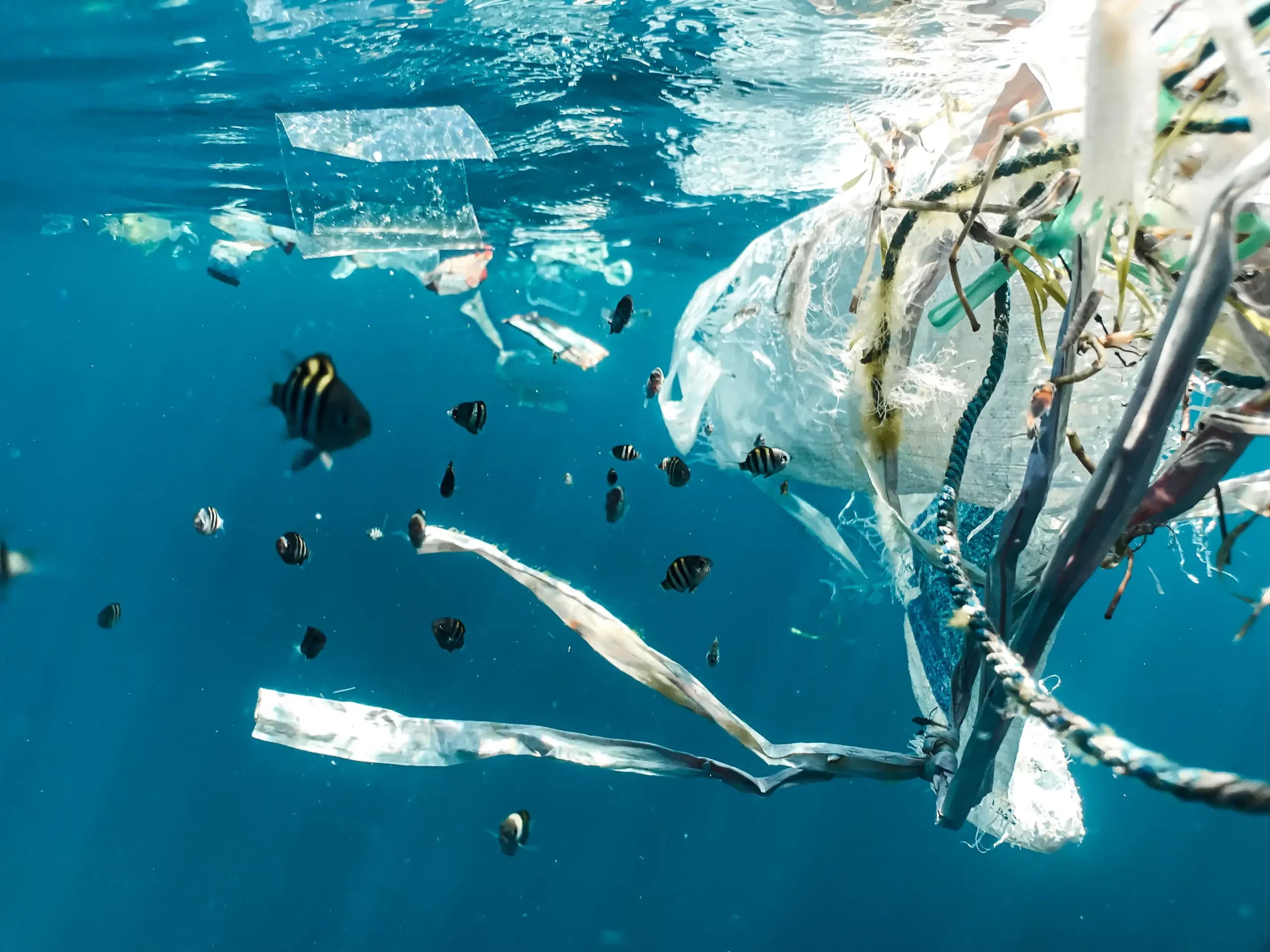
Microplastics (MPs) are plastic particles less than 5 mm in size. Smaller than this size, nanometric-scale plastic particles are referred to as nanoplastics (NPs). Both categories are emerging topics in packaging and health sciences and are significant concerns for human health. These particles are usually derived from the breakdown of larger plastic products during the degradation process, plastic surface scratching, and nanoparticle migration to hot liquids. Microplastics can also be found in contaminated food, where plastic particles already exist inside fresh fish, cows, plants, and drinking water (Ziani et al., 2023; Osman et al., 2023). For example, a study published by Zangmeister et al. (2022) found that single-use plastic containers, like ordinary coffee cups, can release trillions of nanoplastics per liter, especially when holding heated liquids. Microplastics are found not only in soil, water, and polluted air but also inside our bodies—in blood vessels, the heart, the brain, and the reproductive system (Leslie et al., 2022; Wu et al., 2022; Roslan et al., 2024; Winiarska et al., 2024). Packaging waste is one of the largest sources of MPs released into the environment. Given the increasing prevalence of microplastics, it is essential to explore their impact on human health and the potential risks they pose, as well as to find and apply new materials that do not leave MP traces after use.
How Microplastics Enter the Body
MPs enter the human body primarily through ingestion of contaminated food and beverages and inhalation of polluted air. Their tiny size allows them to penetrate cell membranes and potentially interact with DNA, leading to various health risks.
Health Risks Associated with Microplastics
- Cancer Risks: Research links MPs to an increased risk of colorectal and breast cancers. They can disrupt normal cellular functions, promoting tumor growth and metastasis (Li et al., 2023; Bruno et al., 2024).
- Neurological Effects: MPs can accumulate in the brain, potentially contributing to neurological disorders such as Alzheimer’s and Parkinson’s diseases. They trigger inflammatory responses and can impair brain function (Kopatz et al., 2023; Liu et al., 2024).
- Reproductive Health: Studies have found MPs in placentas, indicating potential harm to fetal development. Exposure can lead to reduced birth weights and other complications (Sharma et al., 2024; Liu et al., 2023).
NantBioRenewables’ Commitment to Reducing Microplastics
NantBioRenewables is dedicated to combat microplastics through sustainable solutions. Our Wave Ware™ products, made from compostable biopolymer materials, are designed to minimize environmental impact. We utilize Ocean Calcium Sand (OCS), a carbon-negative mineral filler, which enhances biodegradation and reduces reliance on traditional plastics.
Conclusion
MPs and NPs have been found everywhere in the environment and can accumulate in the human body, especially plastics derived from oil-sourced materials. Numerous studies have shown their negative effects on human health, including cancer formation and neurotoxic effects. MPs are found even in the placenta and can negatively affect reproductive organs and offspring. NantBioRenewables is working hard to deliver compostable materials to the market that are dedicated to combating plastic pollution, developing solutions that not only meet consumer needs but also protect human health and the environment.
For further inquiries or to learn more about products and NantBioRenewables initiatives, please contact [email protected] or visit www.nantbiorenewables.com.
Other publications: